
Introduction
GLP-1 medications like Ozempic, Wegovy, and Mounjaro have become game-changers in the world of weight loss, helping people shed pounds by reducing appetite and slowing digestion. But here’s the truth: weight loss doesn’t end when the medication stops—and for many, it’s what happens during treatment that determines whether the results last.
Many people on GLP-1 medications unknowingly eat too little, miss out on key nutrients, and lose muscle mass along with fat. Without proper strategies in place, regaining weight after stopping is a real risk.
That’s why I want to help you build sustainable nutrition and lifestyle habits NOW—so that when the medication stops, you can keep your results for the long haul. Let’s dive in!

Understanding GLP-1 Medications & Their Impact on Your Body
GLP-1 receptor agonists work by reducing appetite, slowing gastric emptying, and increasing feelings of fullness. These effects make it easier to eat less, but they also come with potential downsides:
- Reduced appetite → Nutrient deficiencies (if you’re not eating enough)
- Caloric restriction → Muscle loss (slower metabolism)
- Weight regain risk if habits aren’t built alongside medication use
But the good news? With strategic nutrition, strength training, and mindful eating, you can fuel your body properly, maintain lean muscle, and set yourself up for lasting success beyond medication.
How to Eat for Long-Term Weight Maintenance on GLP-1s
1. Eat Enough—Even When You’re Not Hungry
Because GLP-1s suppress appetite, many people unintentionally eat too little, which can lead to muscle loss, fatigue, and nutrient deficiencies. Instead of waiting until you’re starving to eat, establish a meal routine that ensures you’re nourishing your body consistently.
- Aim for 3 balanced meals per day (or 2 meals + a nutrient-dense snack)
- Prioritize whole, nutrient-dense foods to maximize nutrition with smaller portions
- Use meal reminders if needed—your body still needs fuel, even if hunger cues are lower.

2. Prioritize Protein to Maintain Muscle & Metabolism
Weight loss is not just about losing fat—muscle loss is a huge concern. Losing muscle slows your metabolism, making it easier to regain weight once the medication stops. To prevent this:
- Aim for 25–30g of protein per meal
- Best protein sources: Lean meats, poultry, fish, eggs, dairy (or dairy alternatives), beans, lentils, tofu, and protein shakes
- Spread protein throughout the day to optimize muscle preservation

3. Load Up on Fiber for Fullness & Gut Health
Fiber helps keep you full, stabilize blood sugar, and support gut health—all essential for weight loss and maintenance.
- Goal: 25–30g of fiber daily
- Best sources: Whole fruits, vegetables, legumes, whole grains, nuts, and seeds
- Tip: Pair fiber with protein for balanced, satisfying meals
4. Stay Hydrated—Thirst Cues May Be Lower
GLP-1 medications can also reduce thirst, leading to dehydration, fatigue, and constipation.
- Aim for 80–100 oz of water daily
- Include electrolyte-rich beverages if needed
- Set hydration reminders to ensure you’re drinking enough

Building Habits That Last—Even After Stopping GLP-1s
1. Eat Mindfully & Control Portions
Once you stop taking the medication, your appetite will return, so having strategies in place is crucial.
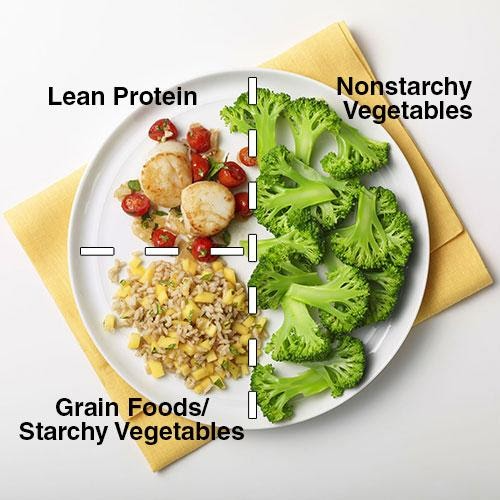
- Use the Plate Method:
- ½ plate non-starchy vegetables
- ¼ plate lean protein
- ¼ plate whole grains or starchy vegetables
- Slow down while eating—savor your food, chew thoroughly, and listen to hunger/fullness cues
- Use smaller plates and avoid eating straight from large containers
2. Strength Training: The Key to Keeping the Weight Off
Resistance training isn’t just for athletes—it’s one of the most powerful ways to maintain your weight, build strength, and prevent muscle loss.
- Train at least 2–3x per week (weights, resistance bands, bodyweight exercises)
- Focus on compound movements (squats, deadlifts, push-ups, rows) to work multiple muscle groups
- Strength training + protein intake = preserved muscle + higher metabolism

3. Plan Ahead: Meal Prep & Smart Food Choices
Once your hunger returns post-medication, having a plan in place is crucial to avoid overeating or slipping into old habits.
- Plan meals in advance to ensure balanced nutrition
- Pre-portion snacks & meals to prevent overconsumption
- Choose whole, nutrient-dense foods over ultra-processed convenience options
Supplements That May Help
Because eating less can lead to nutrient gaps, some supplements may be beneficial. Always consult with a healthcare provider before starting new supplements.
- Multivitamin: Helps prevent deficiencies from reduced food intake
- Omega-3s: Supports heart health, brain function, and metabolism
- Probiotics: Promotes gut health and may ease GLP-1 digestive side effects
- Fiber supplement (if needed): Helps with satiety, digestion, and bowel regularity

Final Thoughts: Your Success Goes Beyond Medication
GLP-1 medications can be a powerful tool, but they are not a long-term solution—your habits are.
By focusing on nutrient-dense eating, protein intake, strength training, and mindful eating, you can set yourself up for lasting weight loss success, even after the medication stops.
You are in control. Your habits today will shape your future. Let’s make them count.
Want More Guidance?
If you need personalized nutrition coaching to help you navigate weight loss with or without GLP-1s, I’m here to help. Book a consultation and let’s create a strategy that works for you long-term!


Leave a Reply