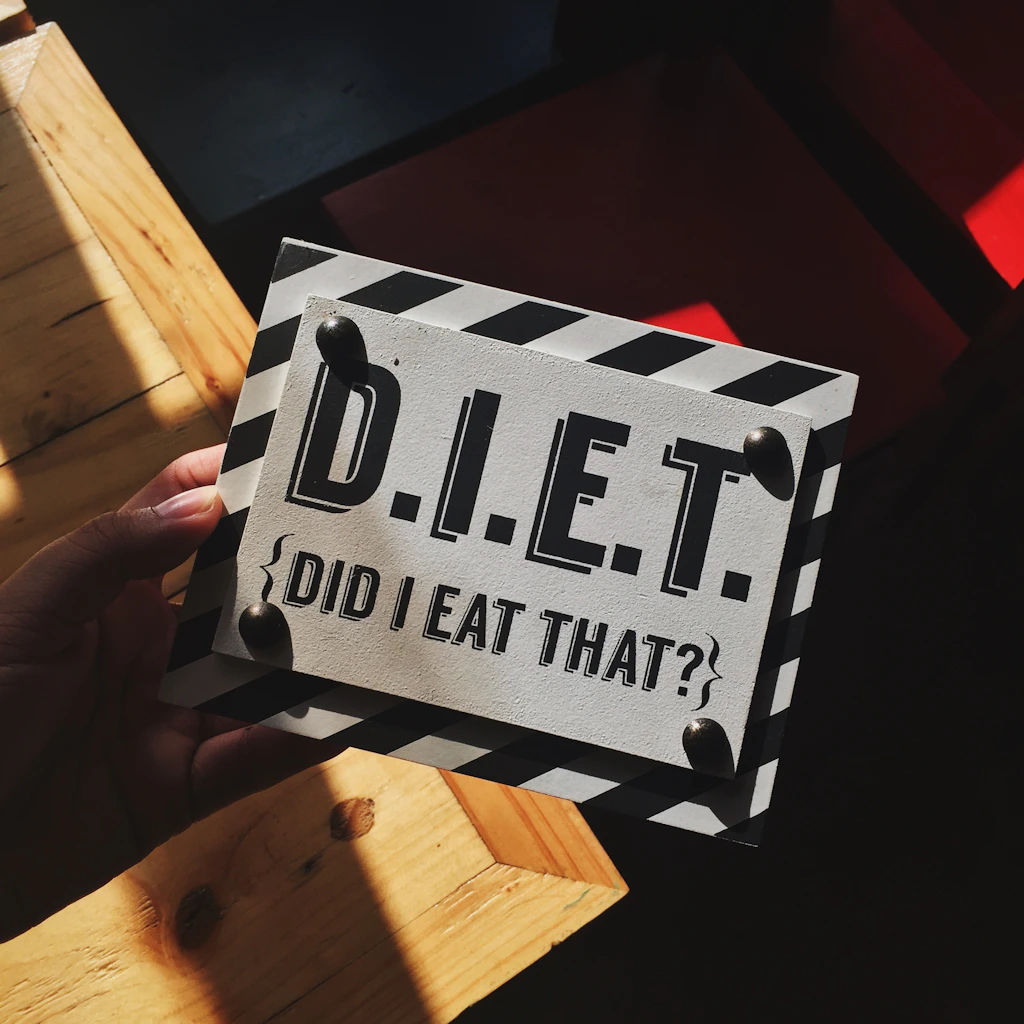
The first published diet book was in 1558 by an Italian named Luigi Cornaro. Tired of being overweight, he took to eating only 12 ounces of food a day, and drinking 14 ounces of wine. This is the size of 4 decks of cards and a little less than 2 cups. Cornaro lived to be 82 years old and he attributed this diet to his vigorous health well in to old age. So much so, that he wrote about it in his book “The Art of Living Long”, still in print today, in which he advised people to do the same. Although his diet was restrictive, the term “diet” originally referred to the kind of food a person ate habitually. It wasn’t until the early 1900s that the term came to mean a restricted food intake to lose weight or change the physical physique. Today we have a myriad of diets from Mediterranean, to Keto, to Carnivore, to Fasting, and that barely scratches the surface. Each one claims to be the answer to weight loss or health. And each one has an army of people who can show their proven results, testifying to its benefits, its efficacy, and why it’s the best diet. So which one is it? Which one is the best diet? The answer is: they all can be. There is no ONE best diet that will work for everyone because we’re all different. But there are commonalities between most diets that does make them successful diets. The are three things in particular that all successful diets have in common: they emphasize protein, the promote eating less-processed more whole-foods, and they fit the person’s lifestyle and preferences.
Our bodies, without disease, universally require the same nutrient building blocks. That is macronutrients which are protein, carbohydrates, and fat which we need in larger quantities and micronutrients which are vitamins and minerals that we need in smaller quantities. The specific amounts differ from person to person for each category but one thing that all well constructed diets emphasize is protein. This is because the body doesn’t store extra protein for later use, like it can with carbohydrates and fats, so we must consume it daily. Protein is often disregarded or only emphasized for building muscle but it does so much more. Protein helps build and repair our bodies, it exists in every body part, from our hair to our bones. It’s critical for growth and development and for maintaining a healthy immune system. But most of us aren’t getting even the minimum amount of daily protein that we need. Which means that our body doesn’t have enough protein to do everything it needs to. This can lead to losing muscle mass, having brittle hair & nails, and getting sick often. Besides the fact that we need it for our bodies to function, protein also has many benefits. Protein actually makes you feel fuller. When we eat a meal high in protein, the stomach releases a chemical that actually tells your brain that you’re full and keeps you satisfied longer. It also boosts your metabolism because the body uses more energy to digest protein which means you’re naturally burning more calories without doing any work. A well constructed diet recognizes the important role protein plays and makes sure to always include it.
They also focus on food QUALITY. Food quality refers to the nutritional value that foods provide. The more processed a food is, the less nutritional value it is likely to provide because during processing, a lot of the nutrients are stripped out, which can also lead to nutrient deficiencies in people. That being said, processing isn’t something that can be completely avoided or even should be. We can think of food quality and food processing on a spectrum. On one end we have whole, and minimally processed foods. These are foods that look more like their natural form. On the other end, we have highly processed foods that don’t look anything like their original form. And of course, there’s everything in between. Take a potato for example. A potato would be on the whole food end of the spectrum. Potato chips on the other hand, would be considered highly processed. And potato fries would fall somewhere in between. A potato in its whole form is full of vitamins, minerals, and fiber, and averages around 150 calories. As it makes its way to becoming potato chips, a lot of that is lost and replaced with additives like oils and preservatives. And a small snack sized bag, mostly full of air comes in at about the same calorie count. This is why most diets, whether it be keto, paleo, or whole-30 still all emphasize whole & minimally processed foods. Basing your diet around minimally processed foods will not only help you meet your nutrition needs, it also more easily regulates your weight and appetite because they often take longer to eat, are more satisfying, and fill you up on fewer calories.
The best diet is also one that is sustainable. As I’ve hopefully shown you by now, any diet you choose can and will succeed in giving you a healthy life if you have a good foundation. But whatever you choose, it needs to be something that fits in your life. It has to take into account things like your environment, social support, your food and eating preferences, and your budget. Someone living in a studio apartment with limited kitchen space may need something that allows for low-prep, like one pot meals. A diet that will require two separate grocery shopping lists and cooking two different meals may not be ideal for someone who often cooks for their family. And may not be ideal for their wallet either. Someone who travels a lot will most likely need a diet that accommodates and fits their on the go lifestyle. Similarly, if someone loves carbs, then a low-carb diet may not be the best choice and most likely won’t last long term. Therefore, the best diet will always and should always meet YOUR needs. Because the real best diet is one that you can follow on your worst day, not just your best day.
We are all different, have different goals, desires, and needs when it comes to food. But we all need food to live our lives. It can be easy to get caught up in the claims, the scare tactics, and the sea of information available. There’s a new claim every day supporting something different, whether it be diet teas to boost your metabolism, superfood to lower your blood sugar, or only eating between the hours of 11 and 5…. and just as many claims saying it’s wrong. Trying to decipher what to listen to and what not to listen to alone can be a full time job. Food is meant to nourish us and fuel us, not make us miserable. Whether you’re vegan, paleo, or just a foodie, the keys to having the best diet is the same. Make protein a priority, eat more minimally processed foods, and remember to check that it fits into your life first.


If the image on the left looks familiar and you’re ready to go from frustrated by food to empowered and confident in your choices and habits like in the image on the right, then consider subscribing to our newsletter for expert tips, delicious recipes, and practical advice on how to eat healthy in any situation. Follow us on social media to stay inspired and connect with like-minded individuals committed to a healthy lifestyle. Take the next step in your nutritional journey and empower yourself with the knowledge to make the best choices for your health. Join us today and start making a positive change in your life!


Leave a Reply